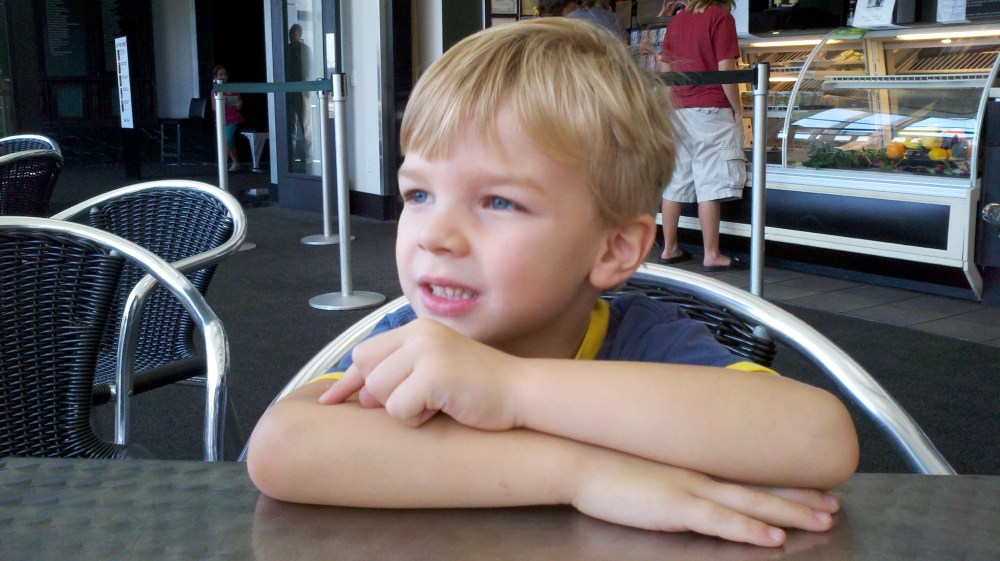

My son is 7 and for the last two years, we have been working on facing the things we fear. There is no perfect answer but given that we all experience fear as an unavoidable challenge, I didn’t want him to think the goal of courage was to be the absence of fear–just the mastery of it. In the end, our home landed on the fact that courage is something that must be practiced. So when Joshua is afraid, I tell him that I will be back in 5 minutes and he is to practice his courage. 2 or 3 practices later, he has conquered it to go to sleep (most of the time… : ) I think we can all work to develop our courage to get to the things in life that we dream about. The best definition–or at least exploration– of courage I’ve ever read is from G.K. Chesterton originally found in his book, Orthodoxy--with my favorite two lines at the end:
“Take the case of courage. No quality has ever so much addled the brains and tangled the definitions of merely rational sages. Courage is almost a contradiction in terms. It means a strong desire to live taking the form of a readiness to die. ‘He that will lose his life, the same shall save it,’ is not a piece of mysticism for saints and heroes. It is a piece of everyday advice for sailors or mountaineers. It might be printed in an Alpine guide or a drill book. This paradox is the whole principle of courage; even of quite earthly or brutal courage. A man cut off by the sea may save his life if we will risk it on the precipice.
He can only get away from death by continually stepping within an inch of it. A soldier surrounded by enemies, if he is to cut his way out, needs to combine a strong desire for living with a strange carelessness about dying. He must not merely cling to life, for then he will be a coward, and will not escape. He must not merely wait for death, for then he will be a suicide, and will not escape. He must seek his life in a spirit of furious indifference to it; he must desire life like water and yet drink death like wine. ”
― G.K. Chesterton, Orthodoxy